


Iron Status Profile Blood Test (5 parameters including ferritin & iron)
Biomarkers
-
Iron
Measures the amount of iron currently circulating in your blood. While essential for daily energy and red blood cell production, this level naturally fluctuates depending on your recent diet.
-
Ferritin
Measures the amount of iron safely stored in your body's cells (liver, spleen, and muscles) for future use. Because ferritin stores deplete before circulating iron levels drop, this is the single most important marker for catching iron deficiency early.
-
TIBC
Total Iron-Binding Capacity
-
Tranferrin Saturation
-
Tranferrin
Frequently Asked Questions
| QUESTION | ANSWER |
|---|---|
|
Can a blood test show iron deficiency anaemia?
|
Yes. A ferritin blood test measures your body's iron stores, while a full blood count checks red blood cell count, haemoglobin, and other markers affected by iron deficiency. Together, these two tests can identify iron deficiency and anaemia before symptoms become severe.
|
|
What causes low ferritin?
|
The most common cause of low ferritin is insufficient dietary iron intake, particularly in those following plant-based diets where iron is less readily absorbed. Blood loss is another major cause, especially in women with heavy periods. Other contributing factors include poor iron absorption due to conditions such as coeliac disease or Crohn's disease, pregnancy, and frequent blood donation. In some cases, low ferritin can occur even when dietary intake appears adequate.
|
|
What is the normal range for ferritin?
|
Ferritin reference ranges vary between laboratories and differ by sex and age. As a general guide, normal ferritin levels for adult men are typically between 30 and 400 mcg/L, and for adult women between 13 and 150 mcg/L. Women of reproductive age often have lower levels due to menstruation. Levels below the lower reference limit suggest depleted iron stores, while levels above the upper limit warrant further investigation.
|
|
What is ferritin measured in a blood test?
|
A ferritin blood test measures the concentration of ferritin in your blood, expressed in micrograms per litre (mcg/L) or nanograms per millilitre (ng/mL). The result gives a reliable picture of your body's iron stores. Low levels indicate that your iron reserves are depleted, while high levels may suggest inflammation, infection, liver disease, or in some cases iron overload.
|
Turnaround Time
Turnaround Time
Test Preparation
-
Iron Profile
Only take this test once any symptoms of short-term illness have resolved. Avoid taking biotin supplements for at least two days before the test. If biotin has been prescribed, please consult your doctor before stopping it.
Drink plenty of water, around two to three full glasses, 1 to 2 hours before your test to stay well hydrated for better blood flow. While fasting isn’t required, try to avoid fatty foods for at least eight hours beforehand. Avoid coffee, tea, or energy drinks, and stick to water only.
Please note that following the instructions step by step is crucial, as not following them may lead to sample rejection.
Symptom Check
-
Hair Loss
Hair loss can be associated with several nutritional and hormonal deficiencies, including low ferritin, folate, vitamin D, and thyroid hormone levels. Each can contribute in different ways
Low ferritin (iron stores):
May cause increased hair shedding, reduced hair density, and slower regrowth due to reduced oxygen delivery to hair follicles.
Low folate:
Can contribute to diffuse hair thinning and poor hair quality, as folate is important for DNA synthesis and cell division in rapidly growing tissues like hair follicles.
Low vitamin D:
Often associated with increased shedding and reduced hair follicle cycling, potentially leading to thinning or delayed regrowth.
Abnormal thyroid function:
Diffuse hair shedding (not patchy)
Dry, coarse, brittle hair texture
Thinning of the outer third of the eyebrows (a classic clinical sign)
Slower hair growth due to reduced follicular cycling and metabolic activity
Each of these conditions can contribute to hair loss, and more than one deficiency may be present at the same time. -
Fatigue and Low Energy
Persistent tiredness that does not improve with rest is one of the most common signs of nutrient deficiency. Low ferritin reduces the body's ability to transport oxygen efficiently, leaving you feeling drained and breathless even with minimal exertion. Low B12 and folate impair red blood cell production, compounding this effect and contributing to weakness and poor stamina. Vitamin D deficiency is also strongly associated with fatigue, muscle weakness, and a general sense of heaviness that can be difficult to attribute to any single cause. If you are experiencing unexplained and persistent tiredness, nutrient levels are one of the first things worth investigating.
Result Report
-
Result Report (in-use)
Reports are reviewed by a UK-registered doctor before being sent out. The final report provides a comprehensive breakdown of your biomarkers, displaying your specific levels alongside standard UK reference ranges to show exactly where you fall on the spectrum. Beyond just the raw numbers, the report includes a brief commentary.
 View your results in a clear, easy-to-understand format with charts and reference ranges. If you repeat the same biomarkers with us, your report includes historical comparisons to help track changes, trends, and progress over time.


Feeling tired, losing hair, or running low on energy? Low iron could be why, and this test shows the full picture, not just one number.
This 5-marker iron profile measures iron, ferritin, transferrin, TIBC, and transferrin saturation to pinpoint exactly where your iron levels stand and why.
Here's what an iron status test can tell you:
- Serum Iron: This measures the amount of iron circulating in your blood. It reflects the iron available for use by your body.
- Transferrin: Measuring transferrin levels in the blood can provide information about a person's iron status. Low levels of transferrin can indicate liver disease or malnutrition, while high levels can be a sign of iron deficiency anemia.
- Ferritin: Ferritin is a protein that stores iron in your body. Ferritin levels in the blood reflect the amount of iron stored in your body. Low ferritin levels are indicative of iron deficiency, while high levels may indicate iron overload or conditions such as inflammation.
- TIBC stands for Total Iron-Binding Capacity. It's a blood test that measures your blood's ability to bind to iron and transport it throughout your body. A TIBC test measures the amount of transferrin in your blood that's available to bind to iron.
- Transferrin saturation, sometimes referred to as Tsat, is a measurement of how much iron is bound to transferrin in your blood compared to how much transferrin can hold total. It's basically a percentage of how "full" transferrin is with iron.
Iron deficiency anaemia occurs when the body lacks enough iron, often due to blood loss or pregnancy. It is typically managed with iron supplements and a diet rich in iron-containing foods.
If you often feel unusually tired, low on energy, hair loss, or experience frequent headaches and palpitations, an iron imbalance could be the underlying cause. The Iron Profile Blood Test is a simple and effective way to check whether your iron levels are contributing to fatigue and other related symptoms. Early detection can guide dietary adjustments, supplementation, or further investigations to restore your energy and overall wellbeing.
For the most complete insight into fatigue-related deficiencies, consider our Vitamin B12 & Folate Tests, covering multiple potential causes of low energy.
Results are reported within 3 working days of lab receipt. For your peace of mind, our laboratory is CQC-regulated. The lab report will be quantitative, containing actual figures and remarks for results that fall outside the normal range. The report will be sent to your email in the form of a PDF attachment.
How it works

Order test online

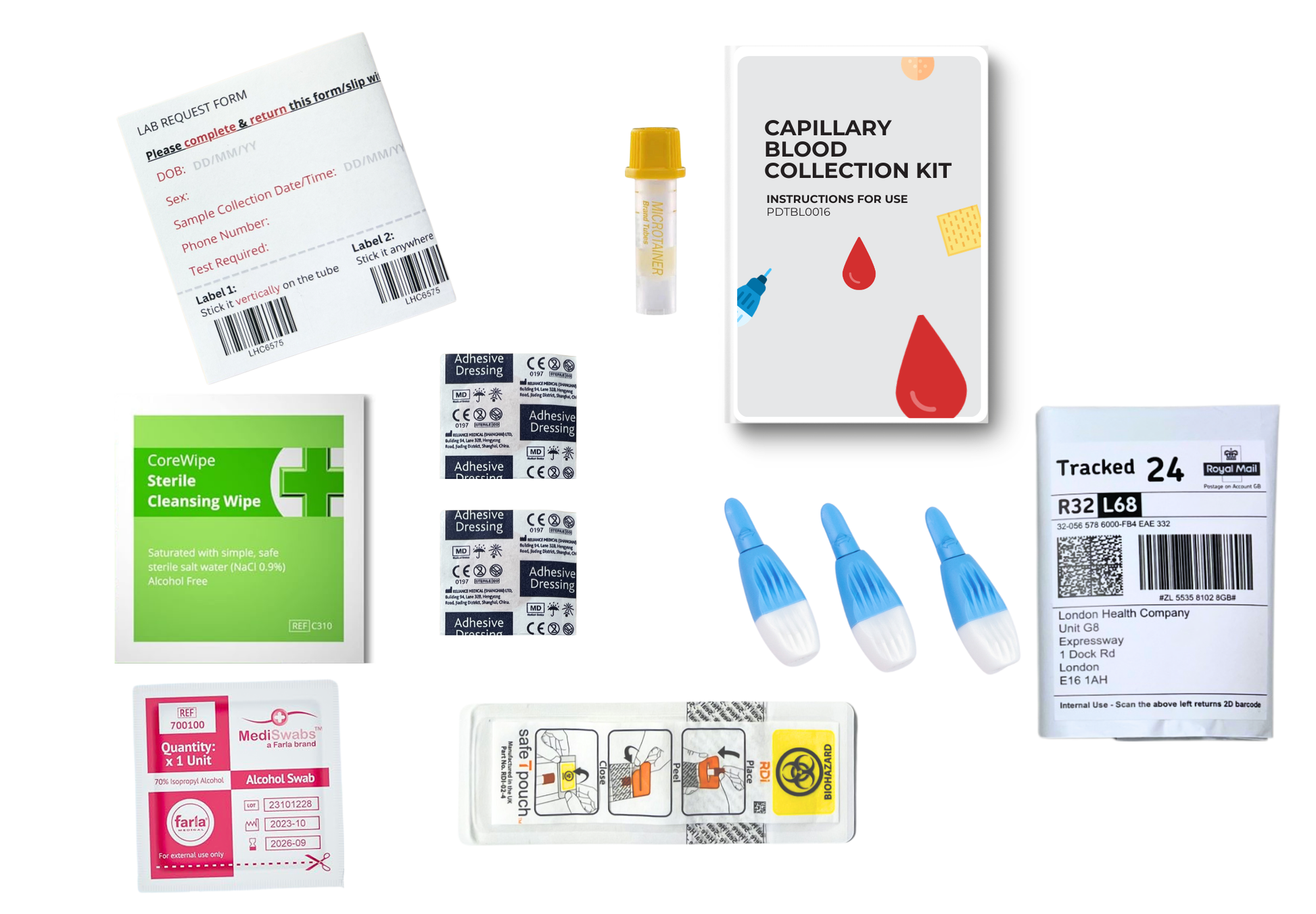
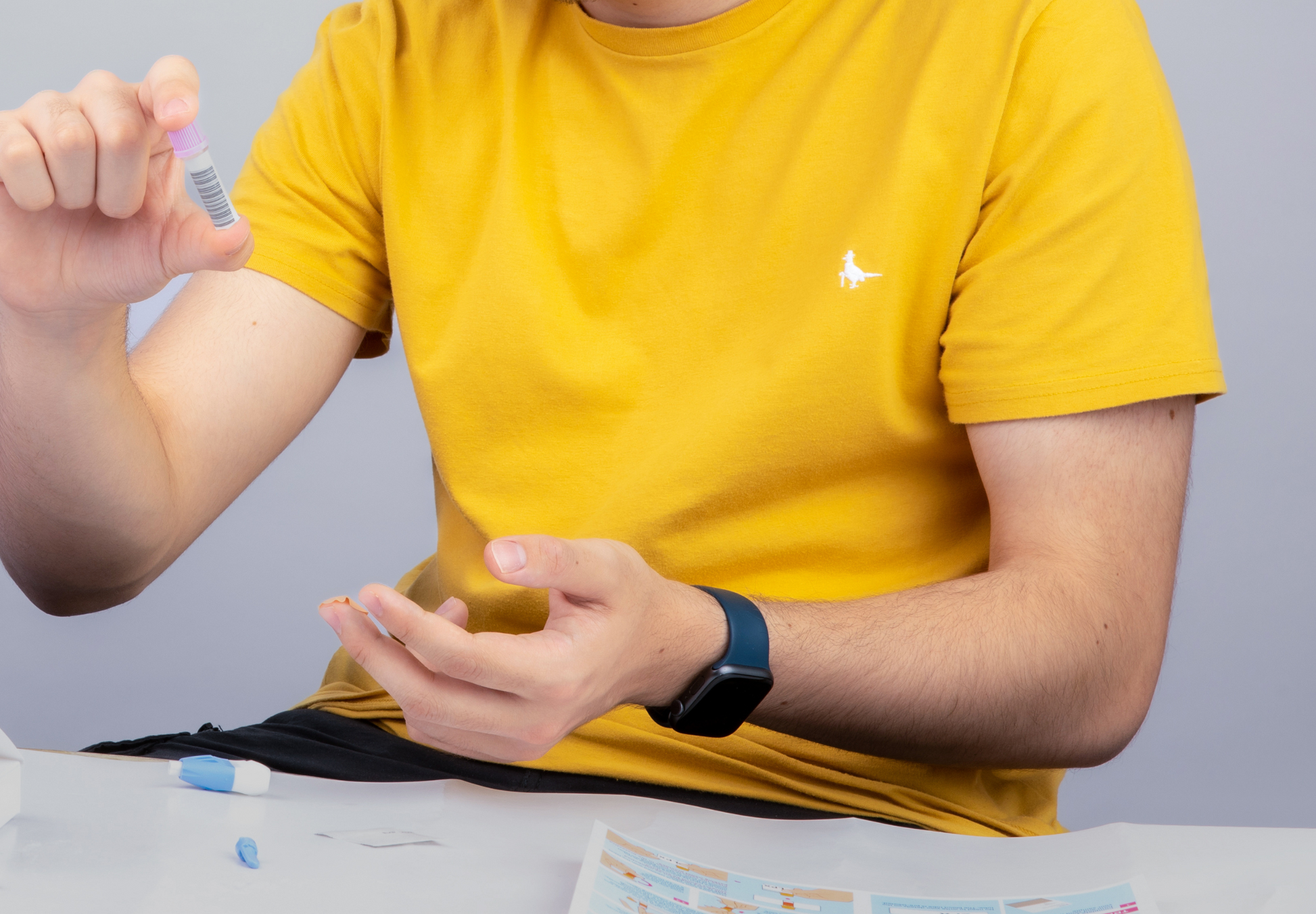
Collect a few drops at home

Return sample to the lab
