


Testosterone Blood Test. Lab Analysis.
Testosterone Blood Test. Lab Analysis.
Couldn't load pickup availability
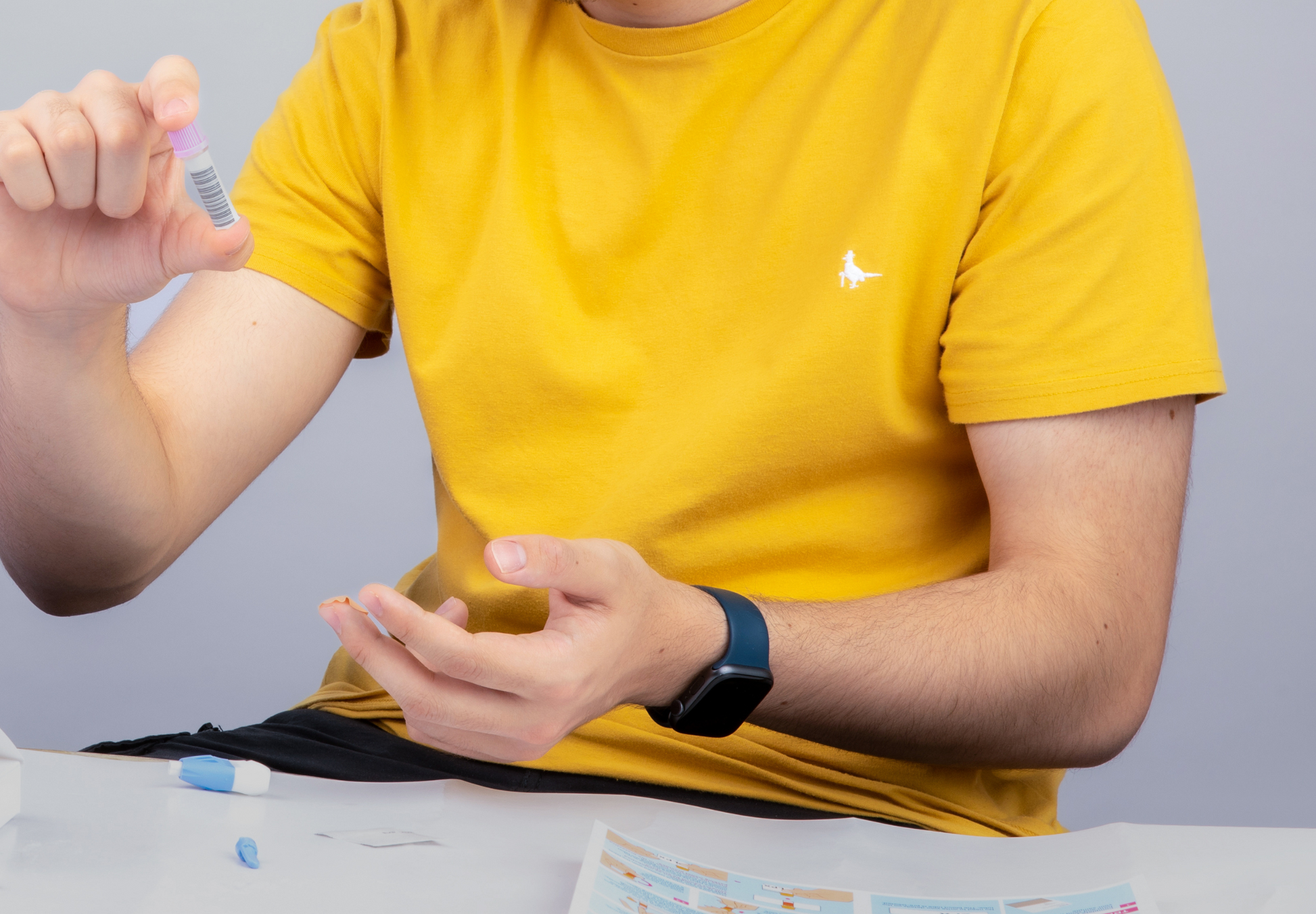
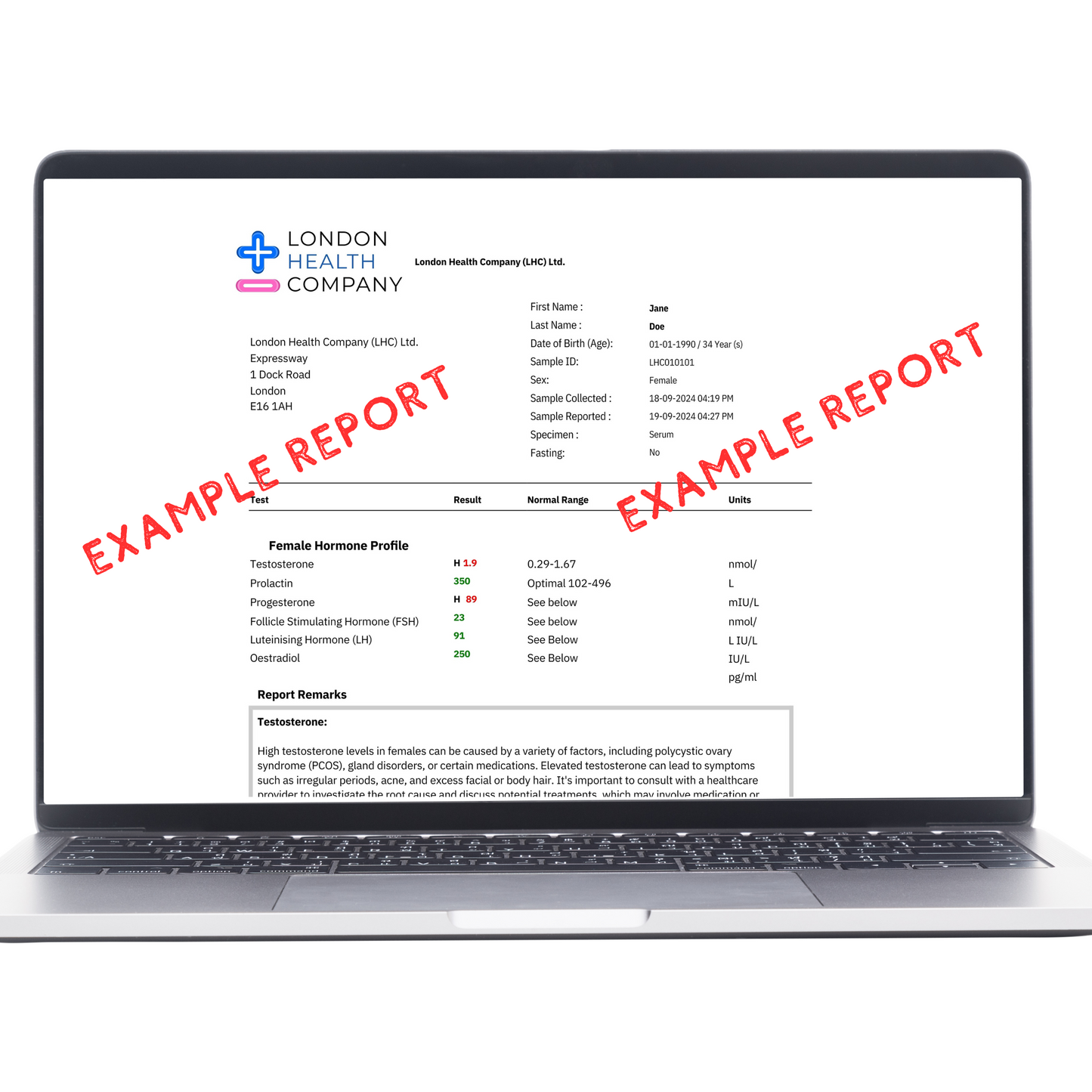
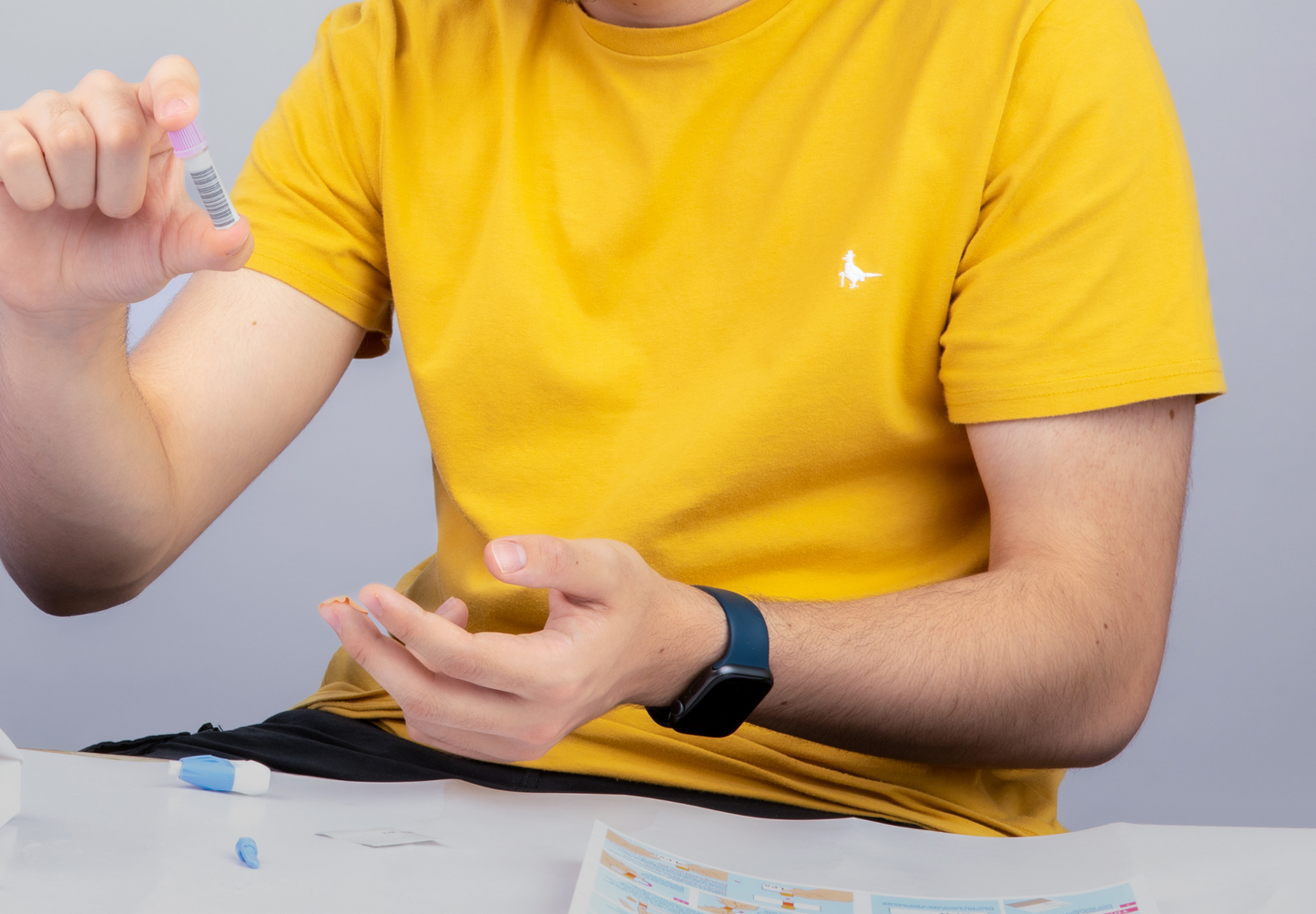
Easily check your testosterone levels with our testosterone test kit, suitable for both men and women. Collection is simple: a finger-prick blood sample at home, sent to our lab in the provided tube. Your report includes quantitative figures, with remarks flagged for any results outside the normal range.
Results are typically available within 1 to 3 days (weekdays) of the lab receiving your sample.
Whether you're on testosterone replacement therapy (TRT) or simply curious about your levels, this test is for you. It's worth noting that TRT can suppress LH and FSH levels, so those on treatment may want to monitor this alongside testosterone. It's also worth keeping an eye on our news section for the latest research, including a study on the relationship between smoking and testosterone levels.
Each kit contains everything needed to collect your sample at home: lancets, instructions, a lab request form, labels, a collection tube, tube pouch, prepaid UN3373 envelope, tube holder, swabs, alcohol wipes, and plasters.
Certain medications can affect your results. Testosterone levels may rise with anticonvulsants, barbiturates, oestrogens, and oral contraceptives. They may fall with alcohol, androgens, dexamethasone, diethylstilbestrol, digoxin, ketoconazole, phenothiazines, spironolactone, and steroids.
Think it's just Low T? There might be more to the story.
Low energy, low libido, and slow recovery from workouts don't always come down to testosterone alone. Cortisol, your body's main stress hormone, can play a role too. Your body struggles to run "survival mode" and "growth mode" at the same time, so when a demanding job, poor sleep, or overtraining pushes cortisol up, testosterone production can take a hit as your system conserves energy elsewhere.
Testing testosterone alone can tell you your levels are low, but not necessarily why. A Cortisol Test is worth adding if you recognise any of the following:
- "Tired but wired" sleep: drained all day, yet your mind won't switch off at night.
- Stubborn midsection weight: holding onto belly fat despite a clean diet.
- Gym plateaus: losing muscle or strength, or needing longer to recover between sessions.
- High-stress daily life: a demanding job paired with persistent brain fog and burnout.
For a fuller picture of male hormonal health, our male hormone profile test kit covers 4 biomarkers, and our comprehensive male hormone profile covers 8 biomarkers for an even more in-depth view. For women, our female hormone profile test kit covers 6 biomarkers.
What is the difference between Testosterone and Free Testosterone?
Share


Testosterone
What is Testosterone?
Testosterone is a hormone that plays many physiological roles in your body influencing factors such as sex drive, muscle mass, fertility, sports performance and mood.
Testosterone Deficiency
In the UK, management of menopause is primarily handled by general practitioners (GPs). However, the same level of oversight is not commonly observed for Testosterone Deficiency Syndrome (TDS), also referred to as late-onset hypogonadism (LOH), androgen deficiency in the aging male (ADAM), or andropause. Testosterone levels can begin to decline in men as young as 40 years old, decreasing at a rate of approximately 1% per year. Nonetheless, not all men will experience low testosterone levels. While the precise prevalence of low testosterone in men remains uncertain, it is estimated to affect around 25% of the aging male population and is frequently associated with declining health and underlying medical conditions. To read more about testosterone deficiency syndrome and testosterone replacement therapy, please refer to a summary of an article by Cervoni.
Some of the key factors that influence testosterone levels in men include:
1. Age: Testosterone levels tend to decrease with age, typically starting to decline around the age of 30.
2. Lifestyle and Diet: Poor dietary habits, lack of exercise, and obesity can contribute to lower testosterone levels. A healthy lifestyle with regular physical activity and a balanced diet can positively impact testosterone production.
3. Sleep: Inadequate or poor-quality sleep can lead to lower testosterone levels. Getting sufficient and quality sleep is essential for hormone regulation.
4. Stress: Chronic stress can elevate cortisol levels, which may interfere with testosterone production. Finding effective stress management techniques is important for overall hormonal balance.
5. Body Composition: Higher body fat levels, especially abdominal fat, have been associated with lower testosterone levels. Maintaining a healthy body composition through exercise and proper nutrition can help optimize testosterone levels.
6. Chronic Illness and Medications:** Certain medical conditions, such as diabetes and obesity, and medications like corticosteroids can negatively impact testosterone production.
7. Testicular Health: Conditions affecting the testicles, such as injury, infection, or certain diseases, can lead to lower testosterone levels.
8. Genetics: Genetic factors can influence testosterone levels. Some individuals may be genetically predisposed to higher or lower testosterone production.
9. *Alcohol and Substance Abuse: Excessive alcohol consumption and substance abuse can negatively affect testosterone levels.
10. Environmental Factors: Exposure to endocrine-disrupting chemicals in the environment, such as certain pesticides and plastics, may have an impact on hormonal balance, including testosterone levels.
It is very important to note that individual responses to these factors can vary, and addressing lifestyle factors through healthy habits is generally beneficial for overall well-being and hormonal health. If someone is concerned about their testosterone levels, consulting with a healthcare professional for personalized advice and testing is recommended.
Testosterone Replacement Therapy (TRT)
Testosterone replacement Therapy
Testosterone Replacement Therapy (TRT) is a medical intervention that involves the administration of synthetic testosterone to individuals with clinically diagnosed low testosterone levels. The decision to initiate TRT is based on several factors, including a comprehensive assessment of an individual's symptoms, health history, and laboratory results.
In general, the eligibility for TRT is determined by the presence of symptomatic hypogonadism (clinically low testosterone levels) along with signs and symptoms that can be attributed to low testosterone. The diagnosis is not solely based on testosterone levels but considers the overall clinical picture.
Here are some general guidelines for testosterone levels that may be considered low and could potentially warrant TRT:
1. **Total Testosterone Levels:** A total testosterone level below the reference range (e.g., below the lower limit of around 10 nmol/L) may be an indication for further evaluation.
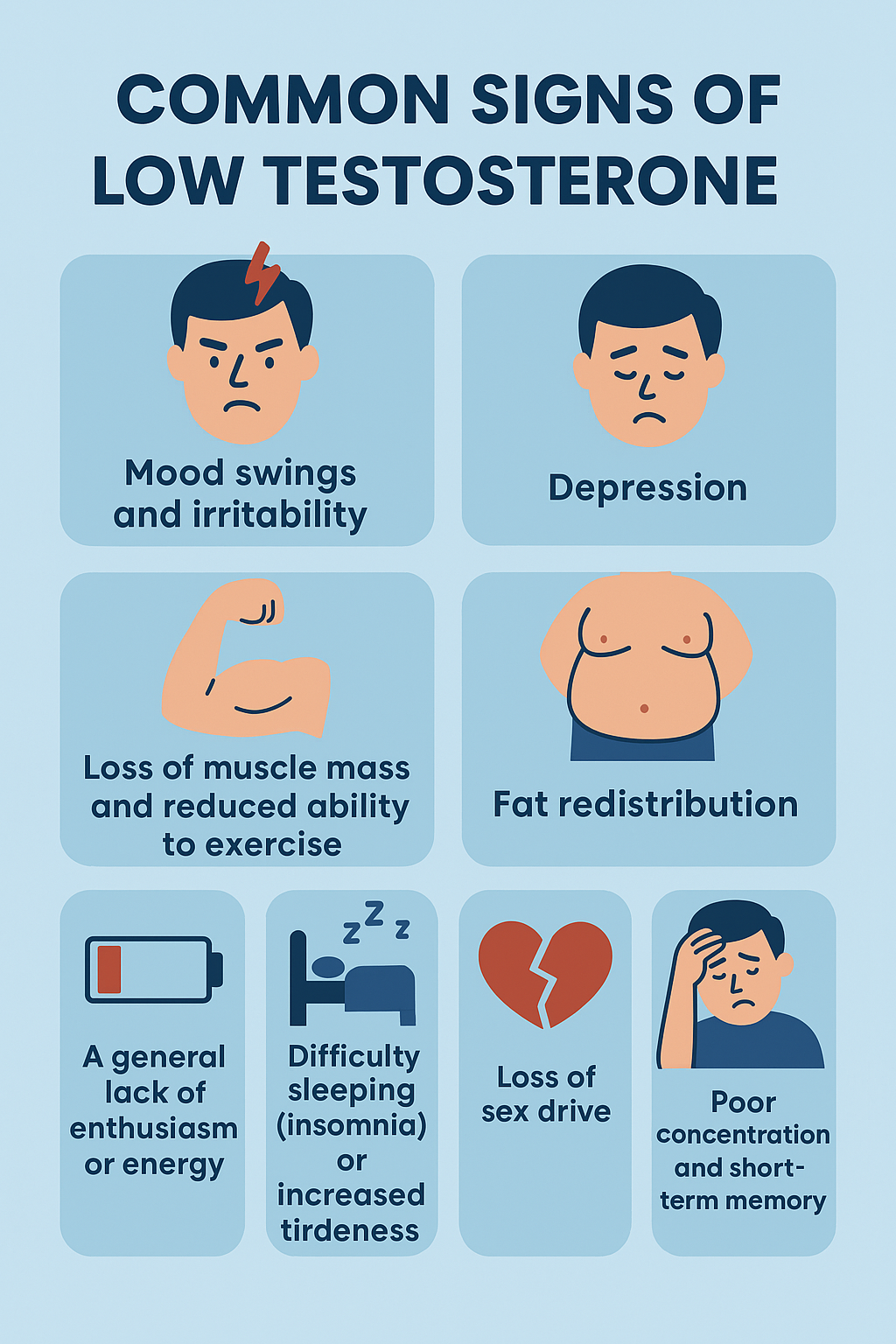
2. **Symptoms of Low Testosterone:** Symptoms of low testosterone, such as fatigue, reduced libido, erectile dysfunction, mood changes, and decreased muscle mass, are important factors in determining eligibility for TRT.
It's crucial to note that the decision to start TRT should be made by a healthcare professional, typically an endocrinologist or urologist, after a thorough evaluation. They will consider not only testosterone levels but also the individual's overall health, medical history, and the potential risks and benefits of TRT.
Before considering TRT, healthcare providers may also rule out other potential causes of symptoms and low testosterone, such as chronic illnesses, medications, or lifestyle factors.
It's important for individuals with concerns about testosterone levels or symptoms suggestive of low testosterone to seek medical advice. Self-diagnosis and self-prescription of testosterone are not recommended due to potential risks and complications associated with hormone therapy.
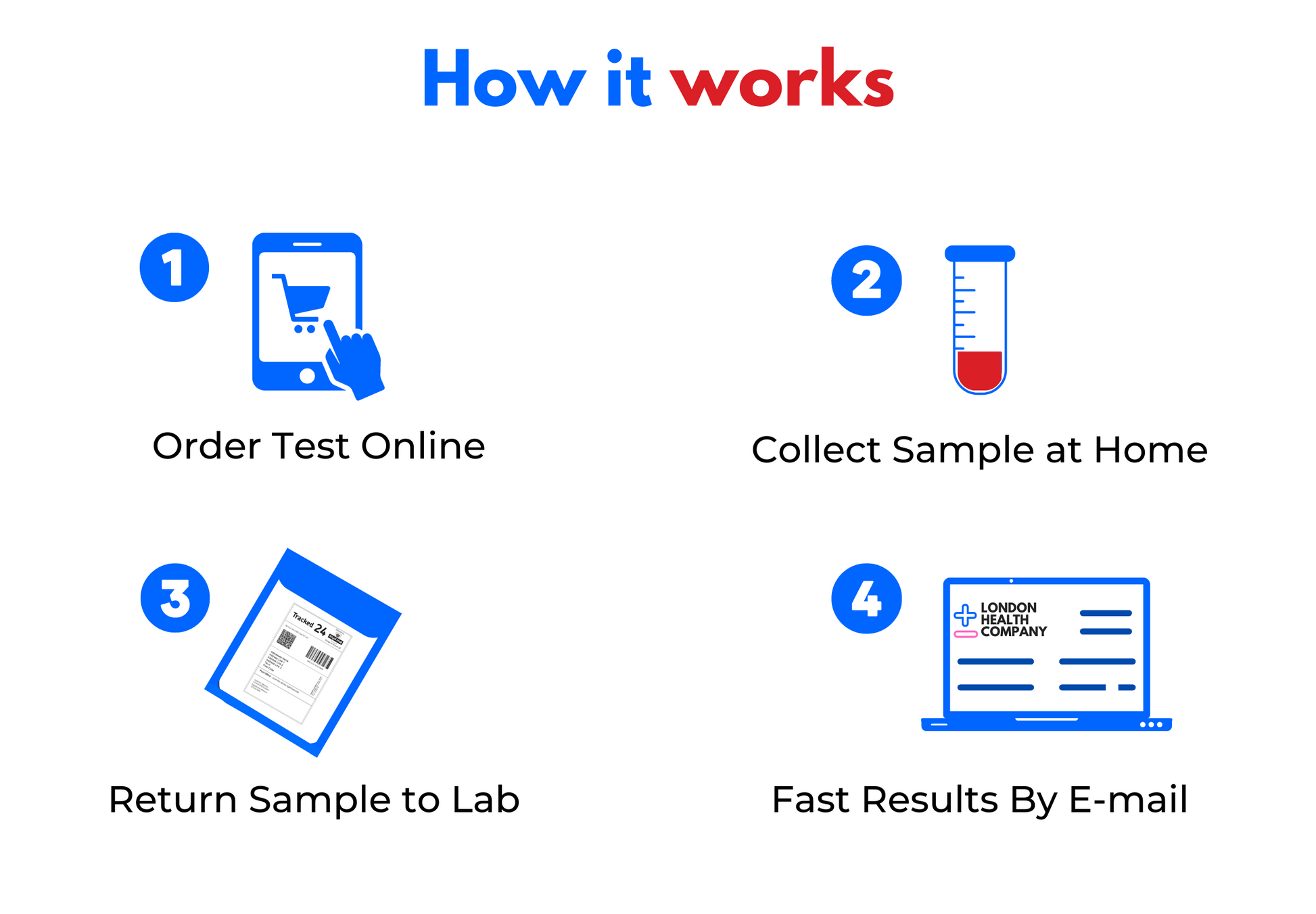
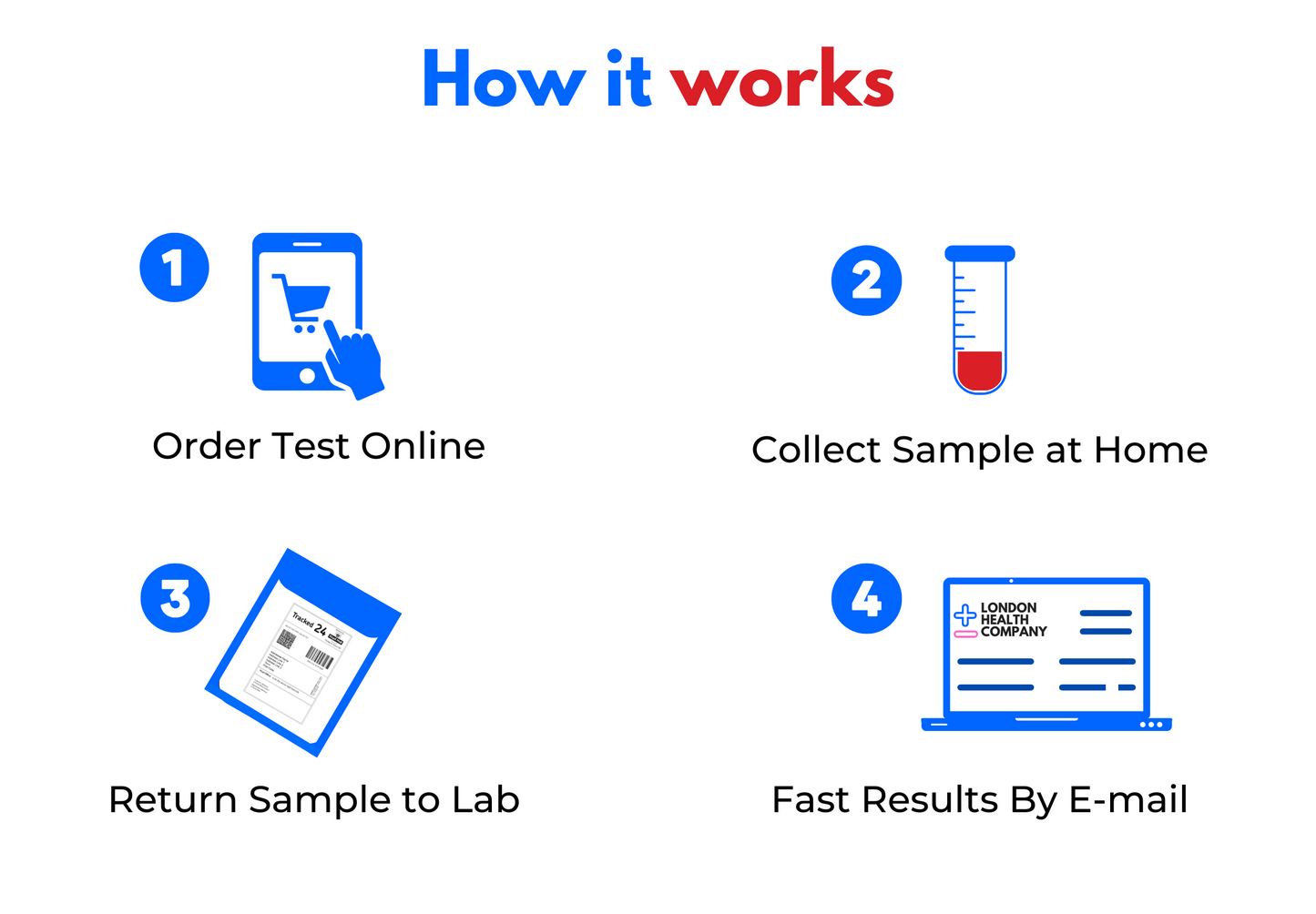
How it works
-
Order kit
Order the kit that you want based on what you want to be tested. We ship all orders placed before 1pm same day.
-
Collect your sample at home
Collect your own sample using a simple finger prick. Everything you need will be included in the kit.
-
Send your sample to the lab
Simply drop in any red letter box. No need to arrange for courier pickup or pay for returns. Remember to register online using the unique sample ID to get your results.
-
Receive results
We will analyse your sample and send you results by email within 24-48 hours. A copy can be sent to your GP/surgery if you wish.
Health & Medical Information Related to our Tests
View all-
What Does My HbA1c Result Mean?
If you've recently had a blood test and your doctor mentioned your HbA1c, you might be wondering what on earth that number means — and whether you should be worried. You're...
What Does My HbA1c Result Mean?
If you've recently had a blood test and your doctor mentioned your HbA1c, you might be wondering what on earth that number means — and whether you should be worried. You're...
-
Menopause and PCOS: How to Tell the Difference ...
Author: Stephanie Wright Struggling with symptoms like fatigue, weight gain, or irregular periods? Learn the difference between menopause and PCOS—and when testing may help in the UK. Written and medically...
Menopause and PCOS: How to Tell the Difference ...
Author: Stephanie Wright Struggling with symptoms like fatigue, weight gain, or irregular periods? Learn the difference between menopause and PCOS—and when testing may help in the UK. Written and medically...
-
HbA1c Testing at Home to Detect and Manage Diab...
Diabetes and prediabetes continue to rise at an alarming rate worldwide, affecting hundreds of millions of individuals. A particularly concerning aspect of this trend is that many people remain unaware...
HbA1c Testing at Home to Detect and Manage Diab...
Diabetes and prediabetes continue to rise at an alarming rate worldwide, affecting hundreds of millions of individuals. A particularly concerning aspect of this trend is that many people remain unaware...
-
Ferritin and Iron: Why Low Levels May Be Behind...
By Dr Ioannis Nikitidis Many people across the UK struggle with persistent fatigue or unexpected hair thinning, yet routine check-ups often show “normal” blood results. One frequently overlooked marker is ferritin—the...
Ferritin and Iron: Why Low Levels May Be Behind...
By Dr Ioannis Nikitidis Many people across the UK struggle with persistent fatigue or unexpected hair thinning, yet routine check-ups often show “normal” blood results. One frequently overlooked marker is ferritin—the...
